
The American Frontier
Articles

American frontier
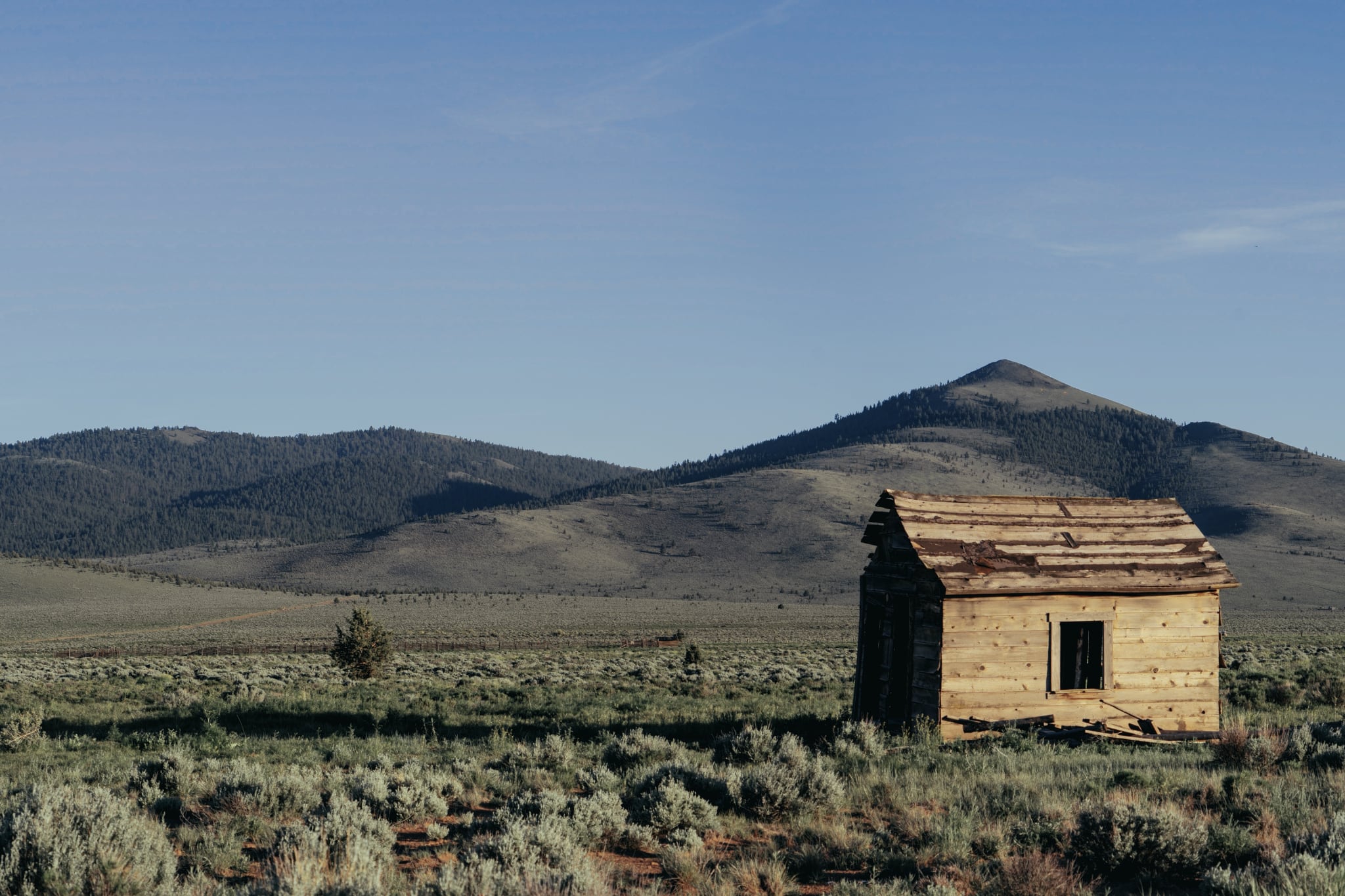
The American frontier, also known as the Old West, and popularly known as the Wild West, encompasses the geography, history, folklore, and culture associated with the forward wave of American expansion in mainland North America that began with European colonial settlements in the early 17th century and ended with the admission of the last few...

Bozeman Trail
The Bozeman Trail was an overland route in the Western United States, connecting the gold rush territory of southern Montana to the Oregon Trail in eastern Wyoming. Its important period was from 1863 to 1868. While the major part of the route used by Bozeman Trail travelers in 1864 was pioneered by Allen Hurlbut, it was named after John Bozeman.

Butterfield Overland Mail
Butterfield Overland Mail (officially Overland Mail Company) was a stagecoach service in the United States operating from 1858 to 1861. It carried passengers and U.S. Mail from two eastern termini, Memphis, Tennessee, and St. Louis, Missouri, to San Francisco, California.

California Trail
The California Trail was an emigrant trail of about 1,600 mi (2,600 km) across the western half of the North American continent from Missouri River towns to what is now the state of California.
Desert Land Act
The Desert Land Act is a United States federal law which was passed by the United States Congress on March 3, 1877, to encourage and promote the economic development of the arid and semiarid public lands within certain states of the Western states.

First transcontinental railroad
America's first transcontinental railroad (known originally as the "Pacific Railroad" and later as the "Overland Route") was a 1,911-mile (3,075 km) continuous railroad line built between 1863 and 1869 that connected the existing eastern U.S.
Frontier Thesis
The Frontier Thesis, also known as Turner's Thesis or American frontierism, is an argument presented by historian Frederick Jackson Turner in 1893 that the settlement and colonization of the rugged American frontier was decisive in forming a culture of American democracy distinct from European nations.

Gadsden Purchase
The Gadsden Purchase (Spanish: Venta de La Mesilla, lit. 'La Mesilla sale'), also known as the Treaty of Mesilla, is a 29,640-square-mile (76,800 km2) region of present-day southern Arizona and southwestern New Mexico that the United States acquired from Mexico.

Great Plains
The Great Plains is a broad expanse of flatland in North America. The region stretches east of the Rocky Mountains, much of it covered in prairie, steppe, and grassland.

Homestead Acts
The Homestead Acts were several laws in the United States by which an applicant could acquire ownership of government land or the public domain, typically called a homestead.
Lewis and Clark Expedition
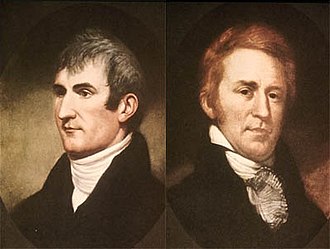
The Lewis and Clark Expedition, also known as the Corps of Discovery Expedition, was the United States expedition to cross the newly acquired western portion of the country after the Louisiana Purchase. The Corps of Discovery was a select group of U.S.
Louisiana Purchase
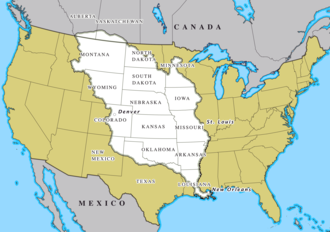
The Louisiana Purchase (French: Vente de la Louisiane, lit. 'Sale of Louisiana') was the acquisition of the territory of Louisiana by the United States from the French First Republic in 1803. This consisted of most of the land in the Mississippi River's drainage basin west of the river.